
Percy Martinez in the media.
A trusted voice on patient safety, medical negligence, and the realities of practicing malpractice law in Florida. Watch the interviews, read the case breakdowns, and reach Percy directly for commentary.
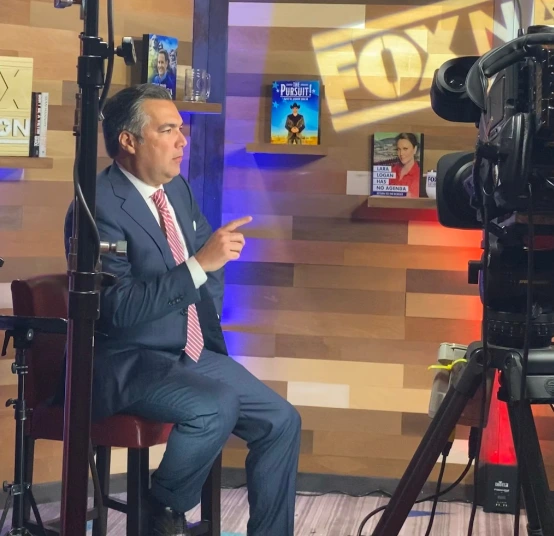





Television & news interviews.
On-camera commentary and journalist interviews where Percy has been asked to explain the realities of medical malpractice litigation, patient safety failures, and what families can actually do when something goes wrong.
Why malpractice cases are so hard to bring in Florida.
2024A long-form interview on the structural barriers Florida families face when a doctor or hospital harms them. The affidavit-of-merit hurdle. Physicians who carry no malpractice insurance.
What “patient safety” actually looks like inside a hospital.
2023A studio interview on the daily realities of patient safety: staffing ratios, communication breakdowns at shift change, and the gap between a hospital’s written protocols and what gets documented in the chart.
When a death turns out to be preventable.
2023A panel segment on what families discover after a sudden in-hospital death: the records request, the gap in the chart, and the legal path forward under Florida’s Wrongful Death Act.
“Doctors don’t have insurance” and what that means for patients.
2023Quoted in coverage of Florida’s “going bare” practice, where physicians legally opt out of carrying malpractice insurance, and how it shapes which cases plaintiff lawyers can take.
“Es muy difícil tomar casos de mala práctica…”
2025A Spanish-language feature on why malpractice cases are so difficult to bring in Florida, particularly for Spanish-speaking families who may not realize their physician carries no insurance.
Case breakdowns & legal commentary.
Long-form videos where Percy walks through real Florida medical malpractice and wrongful death matters: the mechanism, the standard of care, and how the case actually moved through the legal system.

Interview with Percy Martinez, how malpractice cases are actually built.
Percy walks through the case-building process, from the first records request to the day a jury sees the strip. The conversation centers on why most malpractice claims do not survive the screening stage and what changes when they do.
- Records first, theory second. The chart, the imaging, and the labs decide what the case can be, not the other way around.
- The affidavit of merit is the hurdle. Florida law requires a qualified expert to attest to negligence before a lawsuit can be filed.
- Most cases get declined. Plaintiff lawyers turn away the majority of inquiries because the case will not survive presuit.
InterviewerFor families watching this. When something goes wrong with a parent or a child in a Florida hospital, what is the first thing they should do?
Percy MartinezThe records. Before a lawyer is even involved. Request the complete chart, the imaging studies, and the nursing notes. Most of the truth of what happened is in the documentation, and most of what gets contested later is in the gaps.
InterviewerYou have said publicly that you turn away most of the cases that come to you. Why is that?
Percy MartinezFlorida has a presuit process. Before a malpractice lawsuit can be filed, a qualified expert has to review the records and provide a written opinion that the standard of care was violated. If the expert will not sign that affidavit, the case does not move forward. That filter is doing its job, but it means a lot of families with very real harm cannot proceed because the documentation is not there.
InterviewerAnd when a case does proceed?
Percy MartinezThen the work is showing the jury what the chart already shows. Not telling them what should have happened. Showing them what was supposed to happen under the hospital’s own protocol, and pointing to the line in the record where the response was missing or late.
InterviewerWhat does it cost a family to bring a case like this?
Percy MartinezNothing out of pocket. We work on contingency. We advance the case costs: the experts, the depositions, the medical illustration. If we do not recover for the family, the family does not pay us. That is the only way I have ever practiced.
Note. Transcript edited for length and clarity. The full video is the canonical source.
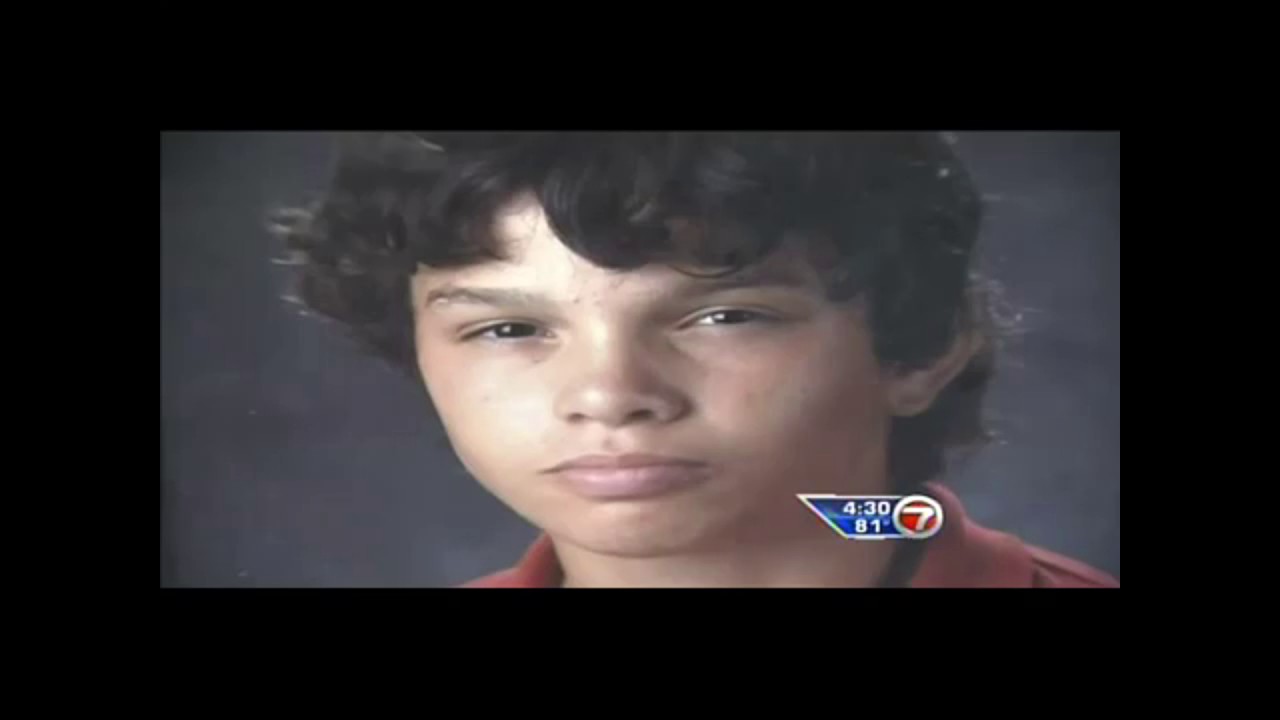
Jesús Meneses wrongful death, how the case was built.
A case study walking through the wrongful death matter Percy handled for the Meneses family. The video covers what was in the record, where the standard of care broke down, and how cultural context shaped the way the case was presented.
- The chart told the story. The documented warning signs, and the documented absence of a response, were the case.
- Florida Wrongful Death Act drives the recovery. Statute § 768.21 controls who can recover and what categories of damages apply.
- Bilingual representation matters. A Spanish-speaking family was able to participate fully in every stage of the litigation.
Percy MartinezThe Meneses case is a case where the documentation did most of the work for us. The warning signs were in the chart. The protocol-required response was not.
Percy MartinezWhat we had to do for this family was translate the medical record into something a jury could see and feel. Not as a stack of pages. As a timeline. Hour by hour. What the nurse charted. What the protocol required. What did not happen.
Percy MartinezCultural context mattered here too. The family is Spanish-speaking. We presented the case in both languages so the family could participate fully: every deposition, every mediation session. That should be the baseline, not a feature.
Percy MartinezFlorida’s Wrongful Death Act sets out who can recover and what categories of damages apply. The recovery here was structured around the statute and around what would actually serve the surviving family for the rest of their lives.
Note. Transcript edited for length and clarity. Settlement details are governed by the resolution agreement and are not discussed beyond what is in the public docket.

DJ Laz wrongful death, diagnostic gaps and what insurers require.
A long-form discussion of a high-profile wrongful death case Percy handled. The video covers the diagnostic gaps in the record, the role of remote-care decisions, and the safeguards insurers quietly require before granting coverage.
- Diagnostic gaps are documentable. When a workup is not ordered or not actioned, the chart shows it.
- Remote and rushed care creates risk. Telehealth and short-staffed shifts shift the burden onto documentation.
- Insurers track these patterns. Carriers look at documentation discipline before extending or renewing coverage.
InterviewerThis was a high-profile case in South Florida. What did you see in the record that the public did not?
Percy MartinezWhat we saw was a documented set of symptoms that should have prompted a specific workup. That workup was not ordered. That is not a question of judgment in hindsight. It is a question of what the protocol required at the time.
InterviewerYou have talked publicly about how remote care creates a particular risk. Walk us through that.
Percy MartinezWhen care is happening over the phone, over a screen, or in a system that is short on staff, the things that normally get caught by direct observation depend entirely on documentation. If the documentation is incomplete, you cannot reconstruct what happened. And from a liability standpoint, an undocumented finding is no finding at all.
InterviewerYou also mentioned what insurers look at.
Percy MartinezCarriers are not a mystery. They look at documentation discipline. They look at whether the providers and the facility have a paper trail that supports the standard of care. When that is weak, coverage gets harder, premiums get higher, and in some cases the carrier walks away from the renewal entirely.
Note. Transcript edited for length and clarity. The full video is the canonical source.
Spanish-language media: why malpractice cases are hard to take.
“Es muy difícil tomar casos de mala práctica porque los médicos no tienen seguro.”Percy Martínez · Univision Local Miami
In this feature, Percy Martínez explains to Univision’s Miami audience why so many medical malpractice cases in Florida cannot be brought, even when a real harm has occurred. The conversation centers on Florida’s “going bare” practice, where physicians legally opt out of carrying malpractice insurance, and what that means for the families who are harmed.
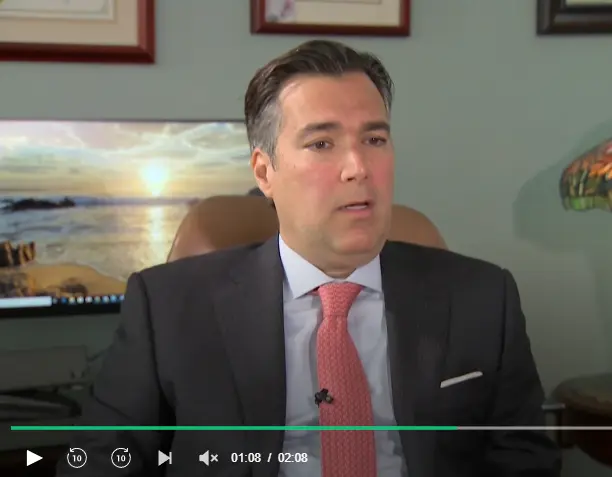
This feature lives on Univision’s site.
Univision doesn’t allow embedded playback outside their domain. Tap below to watch the segment on Univision’s site, then come back when you’re done.
Watch on Univision ↗ Opens in a new tabWhat journalists ask Percy about.
The areas Percy is most often asked to comment on, and where reporters can expect informed, on-the-record commentary grounded in actual case experience rather than theory.
Presuit requirements, expert affidavits, statute of limitations, damages caps, and why so many Florida claims do not survive screening.
Practice area Wrongful DeathHow Florida Statute § 768.21 controls who can recover, what damages categories apply, and how the surviving family structure shapes the case.
Practice area Hospital NegligenceStaffing ratios, monitoring policy breaches, communication breakdowns at shift change, and the systemic failures behind individual harms.
Practice area Birth InjuryContinuous fetal monitoring, the pattern of late decelerations, delayed operative delivery, HIE, and lifelong-care valuation.
Practice area Surgical ErrorIntraoperative injuries that are not recognized in the OR, retained foreign bodies, wrong-site procedures, and the post-op missed-evaluation pattern.
Practice area Diagnostic ErrorsCancers with classic presentation, cardiac events in women, pulmonary embolism. Pattern: imaging or labs ordered but not actioned.
Practice areaMedia inquiries.
Percy is available for on-camera interviews, written commentary, and background context on Florida medical malpractice and patient safety. Bilingual (English/Spanish). Same-day response on most requests.
Email, preferred for first contact
Reach the press desk directly with your outlet, the topic, your deadline, and the format you need (on-camera, phone, written quote).
Phone, for tight deadlines
Call the firm and ask for the press desk. After hours, the line is monitored. Leave a callback number and your deadline window.
What to include in your request
- Outlet name, your name, and your role
- The specific topic or case angle
- Your deadline (date and time, with timezone)
- Format: on-camera, phone, video call, written
- Whether the segment is live or pre-taped
Response expectations
Under two hours on weekdays for routine commentary requests. Same day on weekends for breaking-news context. For longer-form interviews and documentary work, allow one to two business days for scheduling.
Percy does not comment on active matters where doing so would breach a confidentiality clause or compromise a client’s interests.
If something happened to your family, tell us about it.
If something Percy talked about on a network or in one of these videos sounds like what happened to your family, call us. The conversation is free. The conversation is confidential. You don’t pay us a dollar unless we win.
- Free, confidential case review. No commitment, no pressure.
- No fee unless we recover. We work on contingency. We advance the case costs.
- Bilingual. Every stage in English or Spanish.
- Available 24/7. We answer when you call.
Questions about media coverage.
Quick answers to what reporters, producers, and prospective clients most often ask about Percy’s media work and availability.
Is Percy available for live and pre-taped interviews?
Yes, both. Percy regularly does live network commentary and pre-taped interviews for documentary, magazine, and feature programming. Phone, video call, and in-studio in South Florida are all available.
For tight deadlines, email is the fastest path. For breaking-news context outside business hours, the firm’s main line is monitored and routes urgent press calls.
Will Percy comment on a specific case in the news?
If it is a public matter and Percy has no representation conflict, yes. He can speak to the medical-legal mechanics, the relevant Florida law, and what families in similar situations typically face.
If Percy represents a party in the matter, comment is limited to what is on the public record and what the engagement allows. He does not comment in ways that breach a confidentiality clause or harm a client’s interests.
Are interviews available in Spanish?
Yes. Percy is fully bilingual and has appeared on Univision and other Spanish-language outlets. Interviews can be conducted in English, Spanish, or both as needed.
Can I use a clip from one of these videos in my segment?
The YouTube videos are publicly posted and embeddable under the standard YouTube terms. For broadcast-quality footage or b-roll, request the press kit and identify the segment, the runtime, and your air date.
If you need a fresh quote or a re-recorded version of something Percy has said previously, ask. That is often easier than clearing archival use.
How quickly can Percy respond to a deadline?
Routine commentary requests on weekdays: under two hours in most cases. Breaking-news context on weekends: same day. Longer-form scheduling: one to two business days.
If your deadline is tight, put it in the subject line or say it on the call. The press desk routes accordingly.
I saw Percy on TV and need legal help. What do I do?
Call the firm or use the contact form. The case review is free and confidential. There is no fee unless we recover. We accept consultations in English and Spanish.
If you are not sure whether you have a case, call anyway. Percy turns down most cases that are screened, and the screening itself costs you nothing.
 English
 Spanish